
If you're reading this, you probably already know the basics.
You've been told to eat more vegetables. Cut back on red meat. Maybe avoid dairy.
But your fibroids are still there. Still heavy. Still painful. Still running your life.
That's because most "foods to avoid with fibroids" articles treat your body like a simple equation. Eat bad food, get fibroids. Eat good food, fibroids go away.
It's not that simple. And you deserve to know the real story.
At Fibroids Freedom, we've spent years working with women managing uterine fibroids. Thousands of them. And the ones who see real change aren't just cutting out junk food. They understand why certain foods make fibroids worse — and they use that understanding to make choices that actually move the needle.
This guide is for that woman.
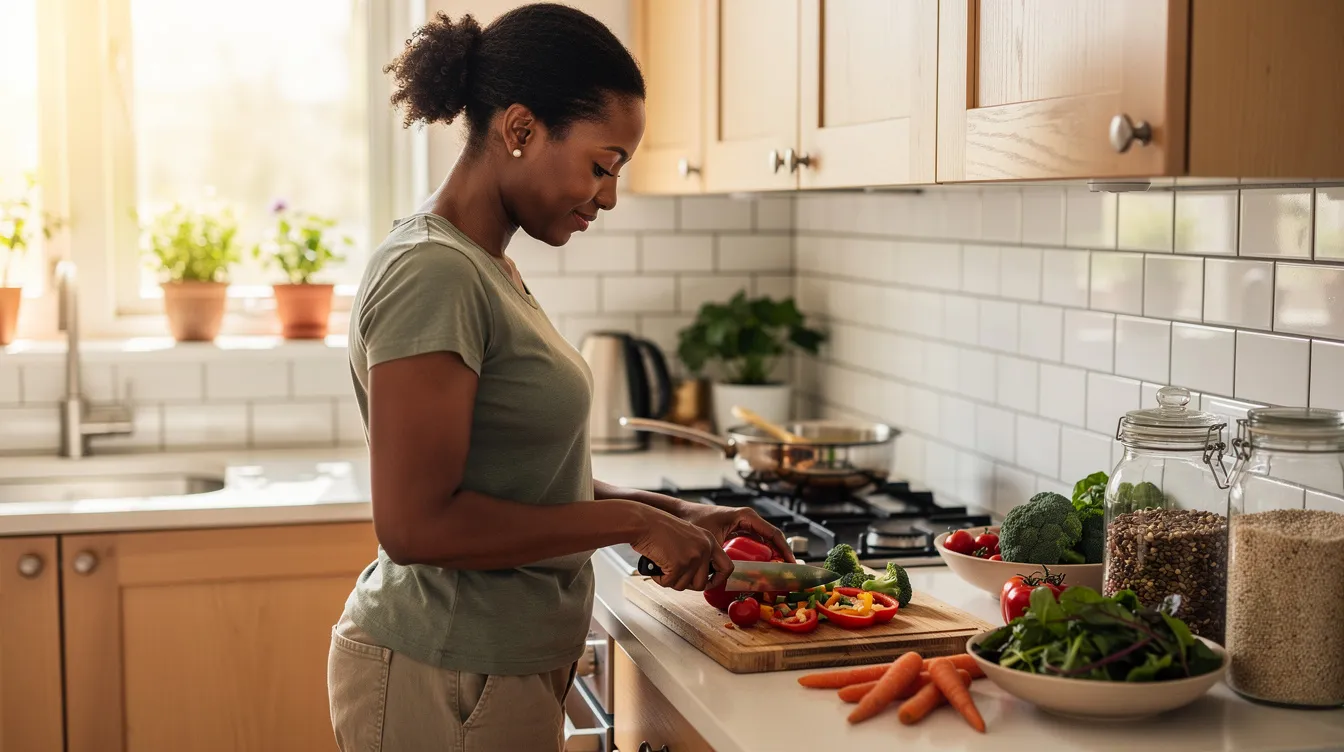
Why Food Has More Power Over Fibroids Than You Think
Uterine fibroids are noncancerous growths in the uterus. But they're not random, and they can still cause complications such as heavy bleeding and pelvic pain that disrupt daily life.
They thrive in a specific internal environment — one built on excess estrogen, chronic inflammation, and a liver that's too overwhelmed to do its job properly.
Here's what that means for your diet.
Your liver is supposed to filter and clear excess estrogen from your body. Every day. But modern life is constantly loading it up — processed foods, alcohol, environmental toxins, synthetic hormones from medications. Over time, the liver can't keep up. Estrogen builds. And fibroids have exactly the fuel they need to grow, often well before menopause.
Diet is one of the most direct ways you either help or hinder that process.
What Most Articles Don't Tell You: Fibroids Feed Themselves
This is the part that changes everything.
Fibroids are not passive growths just sitting there waiting for estrogen to arrive. They're actively working to survive.
They do two things that make them self-sustaining.
First, they produce their own estrogen. Fibroid tissue overexpresses an enzyme called aromatase. Aromatase converts other hormones into estrogen — locally, inside the fibroid itself. So even when you're eating well and your overall hormone levels improve, the fibroid can keep manufacturing its own private estrogen supply.
Second, they build their own blood supply. This is called angiogenesis. Fibroids stimulate the growth of new blood vessels that feed directly into the growth. It's the fibroid ensuring it never starves.
This is why women can eat well and still struggle. And it's why the foods on this list aren't just about "being healthy." They're about disrupting the environment that lets fibroids do these two things.
Top Foods to Avoid With Fibroids (Quick-Reference Summary)
Here are the main foods to avoid most days, most of the time:
-
Processed red meat: bacon, sausage, hot dogs, deli meat
-
Red meat: beef, lamb, pork
-
High fat dairy products and full-fat dairy products
-
Refined carbohydrates: white bread, pastries, sugary cereals
-
Added sugars and sweetened drinks
-
Ultra-processed foods: fast food, chips, frozen dinners
-
Alcohol
-
High-sodium packaged foods
-
Excessive caffeine
-
Large daily servings of soy products
You do not need perfection. Consistency matters more than one meal.
Red Meat and Processed Meats Add to the Estrogen Your Liver Already Can't Clear
Studies suggest red meat can increase the risk of uterine fibroids. Processed meats — bacon, sausage, deli meat, hot dogs — can worsen fibroid symptoms.
Here's why.
Conventionally raised meat often contains added hormones and antibiotics that add to your body's hormonal load. The saturated fat in red meat may raise estrogen levels further. And high-heat cooking produces compounds that increase inflammation.
Your liver is already struggling. Every extra hormonal hit makes it harder for it to do its job.
We hear this from women constantly. One of our customers told us: "My clots each time I go to the bathroom can equal out to the size of my palm." She had no idea that her daily meat-heavy meals were compounding an already overwhelmed system.
Swap in: salmon, sardines, lentils, beans, pasture-raised poultry in smaller portions.
High-Fat Dairy Products Put More Burden on an Overloaded System
High-fat dairy — whole milk, cream, full-fat cheese, ice cream, butter-heavy sauces — may contribute to hormonal imbalances and worsen fibroid symptoms.
The saturated fat content adds to the liver's processing load. And it provides more raw material for estrogen production.
Low-fat dairy is a different story. Research from the Nurses' Health Study II found that calcium intake may actually be associated with lower fibroid risk. Low-fat yogurt and kefir, fortified plant milks — these can stay.
It's the fat content that's the problem. Not dairy across the board.
Refined Carbohydrates and Added Sugars Send a "Grow" Signal to Fibroids
White bread. Pastries. Sugary cereals. Instant noodles. Sweetened drinks.
Here's what happens when you eat these foods.
Blood sugar spikes. Insulin surges. And insulin triggers insulin-like growth factors (IGF-1) that directly stimulate fibroid cell replication.
High-sugar diets are linked to increased fibroid risk. High-glycemic foods stimulate fibroid cell replication. And the weight gain that often follows a high-sugar diet adds another layer — because fat cells also convert androgens into estrogen.
It's a compounding problem.
One of our customers described it well: "I was always feeling really tired... I'd bleed so much I'd be anemic and not have any energy to do anything." The sugar cycle — spike, crash, repeat — drains energy that's already depleted by heavy bleeding.
Choose whole grains, oats, quinoa, lentils, root vegetables, and fresh fruits instead.
Processed and Ultra-Processed Foods Are an Inflammation Machine
We're not talking about frozen vegetables or canned beans.
We're talking about fast food, chips, frozen pizza, microwave dinners, boxed mac and cheese, instant ramen. The foods with ingredient lists that take 30 seconds to read.
These foods are loaded with refined oils, added sugars, sodium, preservatives, and additives that disrupt hormone metabolism, disrupt hormonal balance, and fuel the inflammation fibroids depend on.
High sodium worsens bloating and increases pelvic pressure, and it can also affect blood pressure, another modifiable factor worth managing for overall health when dealing with fibroids. These are two symptoms women with fibroids struggle with the most.
"I used to look like I'm pregnant and some of my clothes couldn't fit me at waistline," one of our customers shared. Cutting processed food was one of the first changes that shifted that for her.
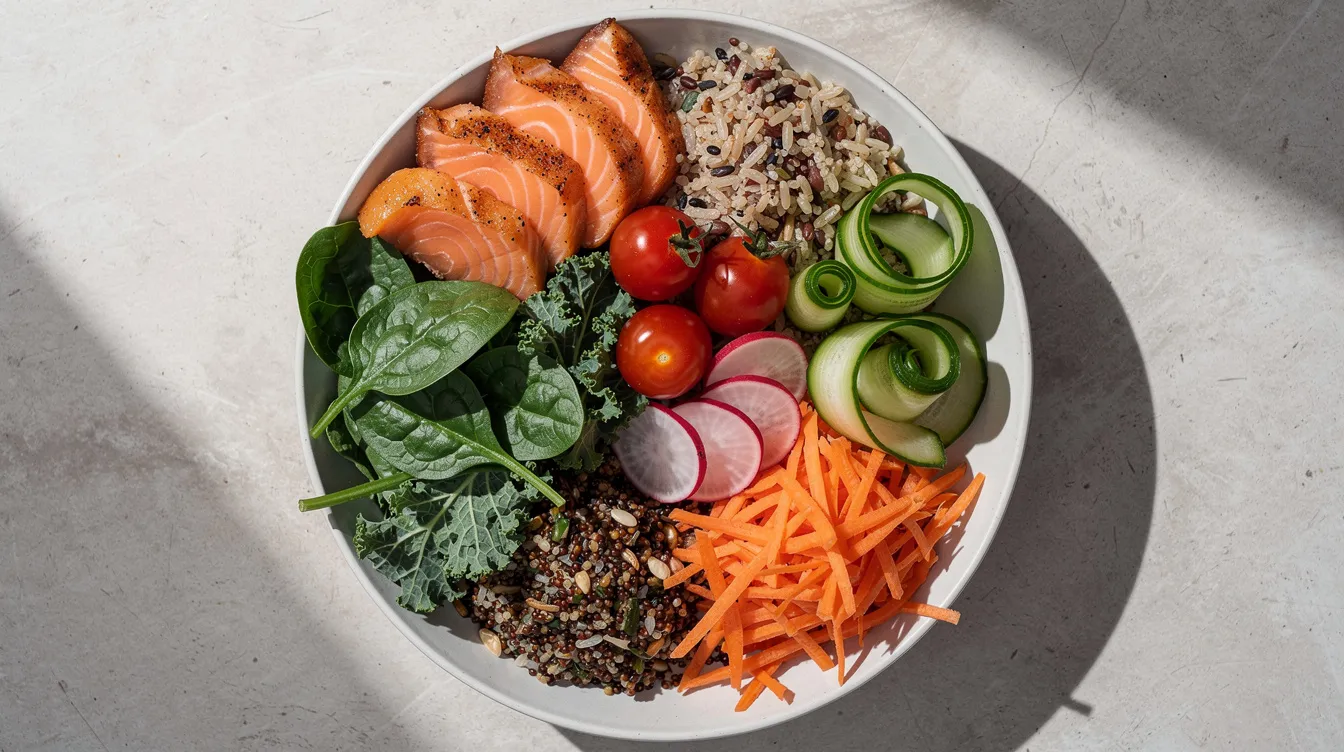
Alcohol Hits the Liver Hard — Twice
Alcohol has a double impact on fibroids.
First, it increases estrogen production directly. Second, it adds significant load to the liver — the same liver that's already struggling to clear excess estrogen.
Excessive alcohol intake may contribute to fibroid development, especially above one drink daily. The liver processes alcohol as a priority. While it's doing that, estrogen clearance gets pushed to the back of the queue.
Even moderate drinking can disrupt hormone balance.
Try: sparkling water with citrus, peppermint tea, ginger tea, green tea.
Soy Products Deserve a Nuanced Take — Not a Blanket Ban
Soy contains phytoestrogens — plant compounds that can mimic estrogen in the body.
The evidence on soy and fibroids is genuinely mixed.
Moderate amounts of whole or fermented soy — tofu, tempeh, miso, edamame — may be fine for many women. Some research even suggests phytoestrogens occupy estrogen receptors in a way that reduces the impact of stronger estrogens.
The concern is with concentrated soy isolates. Soy protein powders, processed soy meats, soy-based meal replacement bars consumed daily. That level of phytoestrogen load may not support hormonal balance if you have clear estrogen dominance.
Track how you feel. Monitor bleeding, bloating, and pain when you adjust soy intake.
Excessive Caffeine Compounds Symptoms
A morning coffee is unlikely to be the problem.
Multiple coffees, energy drinks, large sodas — that's where it adds up. Excessive caffeine may worsen anxiety, disturb sleep, intensify cramps, and amplify pain. Sugary caffeine drinks layer the refined carbohydrate problem on top.
Moderate caffeine is generally fine. It's the excess that tips the balance.
Green tea is worth considering as a replacement for some of that caffeine — and we'll explain why in the next section.
What We've Learned From Years of Working With Women With Fibroids
We've worked with thousands of women across the US, UK, Canada, and beyond.
And we've noticed something consistent.
The women who see the most meaningful improvement aren't the ones with the most perfect diets. They're the ones who understand the mechanism — and make consistent, sustainable changes based on that understanding.
They're not eating perfectly. They're eating strategically.
"I literally had to plan my whole life around my period," one customer told us before she started making dietary changes. "Black pants are always a must."
Six months later: "No more bloating. No more pain. No more living on painkillers."
Diet alone didn't do all of that. But it changed the terrain. And changing the terrain is everything.
Foods That Support Your Liver and Lower Your Estrogen Load
Avoiding the wrong foods is half the equation.
The other half is actively supporting the processes that keep fibroids from thriving.
Cruciferous vegetables — broccoli, cauliflower, Brussels sprouts, kale, cabbage — contain compounds that help the liver metabolise and clear excess estrogen. Eat them often.
Leafy greens — spinach, rocket, Swiss chard — provide iron (critical when heavy bleeding causes anemia) and support overall liver function.
A high-fibre diet helps excrete excess estrogen through the digestive system before it can be reabsorbed. Fresh fruits, vegetables, whole grains, legumes, and seeds all contribute here.
Green tea deserves specific mention. The active compound in green tea — EGCG — has been shown in research from Meharry Medical College and Johns Hopkins to inhibit aromatase activity and reduce fibroid cell proliferation. A 2013 double-blind placebo-controlled study found significant reductions in fibroid volume in women taking green tea extract daily for four months. There's currently an active clinical trial at Yale and Johns Hopkins investigating EGCG as a non-surgical fibroid treatment. This is the same compound in our Fibroid & Cyst Tonic. This is not a coincidence.
Vitamin D — consistently linked to lower fibroid risk in research. Deficiency is common in women with fibroids. Sources include fortified low-fat dairy, fatty fish, egg yolks, and sun exposure. Ask your healthcare provider about testing your levels.
Calcium-rich foods — low-fat yogurt, kefir, fortified plant milks — associated with lower fibroid risk in the Nurses' Health Study II.

Simple Swaps That Actually Fit Real Life
You don't need a perfect diet. You need a better default.
Swap a bacon-and-cheese breakfast for oatmeal with berries and ground flaxseed.
Trade a burger and fries for salmon with leafy greens and olive oil dressing.
Replace your afternoon soda with sparkling water and citrus or a cup of green tea.
Switch white pasta in cream sauce for lentil pasta with a tomato and vegetable base.
These changes support steadier blood sugar. They reduce the hormonal load on your liver. They lower inflammation. And they're sustainable.
Diet Changes the Terrain — But It Rarely Works Alone
We want to be honest with you.
Diet is powerful. It can play a significant role, but managing fibroids usually also includes lifestyle changes such as regular aerobic activity, with a target of 150 minutes weekly to improve hormone balance. But in our experience working with thousands of women managing uterine fibroids, dietary changes alone rarely address the full picture.
The liver still needs targeted support to clear the hormonal backlog. Aromatase — the enzyme fibroids use to produce their own estrogen — needs to be inhibited directly. The angiogenesis process that builds the fibroid's blood supply needs to be disrupted.
That's why we developed the Fibroids Freedom two-tonic system.
The Fibroid & Cyst Tonic works on all three fronts — supporting liver clearance, inhibiting aromatase through green tea extract (EGCG), and disrupting the blood supply fibroids depend on. The Femme Balance tonic then supports your body in returning to genuine hormonal equilibrium.
Together, they address what diet alone can't reach, alongside medical care or supplements you may discuss with your healthcare provider as part of a broader plan.
And because they're delivered as sublingual tinctures — absorbed directly into the bloodstream under the tongue — they achieve up to 80% bioavailability. Compared to 6-15% for capsules.
"I never thought there was something other than surgery that could help with my fibroids," one customer told us. "Thought to give this a try and best decision I have made."
If you're ready to go beyond diet, the protocol is here.
Frequently Asked Questions About Foods to Avoid With Fibroids
What are the top foods to avoid with uterine fibroids?
The most important foods to steer clear of most often are processed and red meats, high-fat dairy products, refined carbohydrates, added sugars, ultra-processed foods, and alcohol. These foods either add to the hormonal load your liver is already struggling to clear, stimulate fibroid cell growth directly, or fuel the inflammation fibroids depend on.
Does diet alone shrink fibroids?
Dietary changes can play a significant role in managing fibroids, but diet alone may not shrink them. It can meaningfully reduce symptoms — bloating, pain, heavy bleeding — and slow fibroid growth. But shrinkage typically requires a more targeted approach that also addresses aromatase inhibition and liver support directly.
Is green tea good for fibroids?
Yes — specifically the compound EGCG in green tea. Research from Johns Hopkins and Meharry Medical College has shown EGCG can inhibit aromatase activity, reduce fibroid cell proliferation, and in clinical trials, reduce fibroid volume. It's one of the reasons green tea is a core ingredient in the Fibroid & Cyst Tonic.
Is soy bad for fibroids?
It's nuanced. Moderate whole or fermented soy — tofu, tempeh, miso — is generally considered fine. Concentrated soy isolates consumed daily may not support hormonal balance in women with clear estrogen dominance. Track your symptoms and adjust accordingly.
How long before dietary changes make a difference?
Some women notice less bloating and lighter cramping within one to two cycles. Significant changes to fibroid size take longer — typically three to six months of consistent lifestyle changes, often alongside targeted supplements support. Your healthcare provider can monitor progress with ultrasound.
Can one bad meal undo progress?
No. Your overall dietary pattern is what matters. One meal, one day, one weekend — none of that erases consistent habits. Build a sustainable baseline, not a perfect diet.
0 comments