
You're eating the same way you always have. Moving the same. But your weight keeps creeping up — and most of it seems to be sitting in your lower belly.
If you have uterine fibroids, this is not in your head.
Fibroids can absolutely contribute to weight gain and abdominal swelling. But the way most articles explain it stops halfway. They'll tell you large fibroids physically add weight. What they won't tell you is that fibroids and weight gain are caught in the same hormonal loop — one that feeds itself if you don't address the root cause.
Here's the full picture.
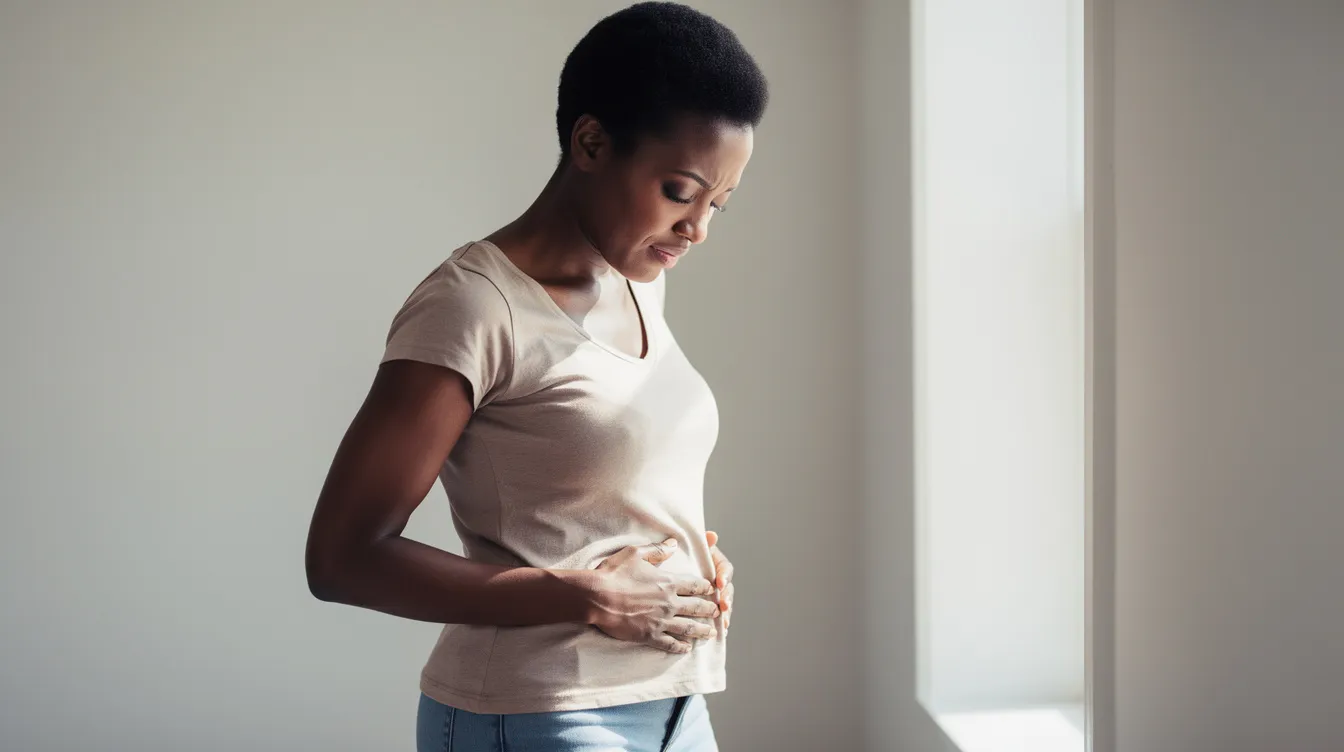
Do Fibroids Actually Cause Weight Gain?
Yes — in more than one way.
Physical weight from the fibroids themselves. Uterine fibroids are benign tumors and non cancerous tumors that grow in or around the uterus. Small fibroids typically don't cause significant weight gain. But large fibroids or multiple fibroids together can weigh several pounds and cause visible abdominal distension. A large fibroid can measure over eight inches in diameter. In severe cases, women can appear several months pregnant purely because of fibroid mass.
As fibroids grow, they can lead to visible abdominal enlargement and make some women feel heavier.
Bloating and abdominal swelling. Even smaller fibroids can cause significant bloating. They press on surrounding tissues and nearby organs, disrupting digestion and causing fluid retention. Many women describe this as looking four to five months pregnant — not because of fibroid weight, but because of the swelling fibroids cause and the weight changes or extra weight in appearance that can come with it, rather than true fat gain.
Other symptoms can include pelvic pain and heavy periods, though people may notice different symptoms depending on fibroid size and location.
"I used to look like I'm pregnant and some of my clothes couldn't fit me at waistline," one of our customers described. "My stomach was very bloated."
Fluid retention. Hormonal changes linked to fibroids can increase fluid retention throughout the body. This isn't fat. But it registers on the scale and affects how your body feels and looks.
Fibroid weight is often categorised as "false" weight gain — meaning it's not new fat tissue, it's mass, bloating, or fluid that comes from the fibroids and their hormonal effects. The distinction matters when you're trying to understand what's actually happening.
How Much Weight Can Fibroids Add?
It depends entirely on size and number.
Small fibroids — under a couple of inches — typically add negligible weight. Most women with small fibroids experience abdominal bloating and pelvic pressure, and pressure on the bladder can also cause frequent urination, without significant scale changes.
Larger fibroids are different. A fibroid the size of a grapefruit — around four to five inches — can weigh one to two pounds on its own. Multiple fibroids, or a single very large one, can add considerably more. Large fibroids can weigh several pounds and cause the uterus to expand significantly.
If you're noticing a firm bulge in your lower abdomen that doesn't feel like regular bloating, and it's not going away, larger fibroids can also press on nearby organs and lead to constipation. Consult a gynecologist for sudden unexplained weight gain and abdominal swelling so you can find out exactly what you're dealing with.
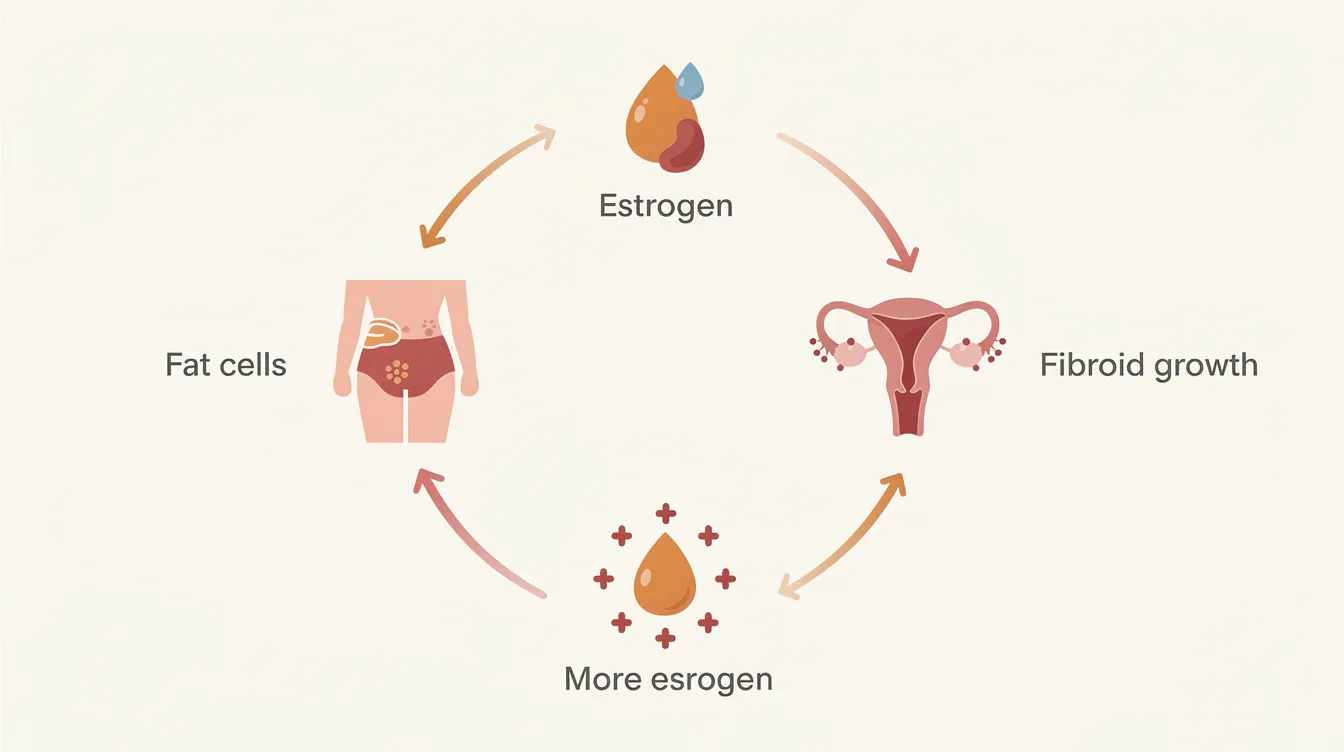
The Hormonal Weight Gain Loop Nobody Explains
Here's the part that most articles miss entirely.
Fibroids are estrogen-driven. They need excess estrogen to grow and survive. But the relationship between fibroids and estrogen doesn't just flow one way. Other hormones are involved too, and age can influence growth patterns and symptom severity.
Fat cells produce estrogen. The more excess body fat a woman carries, the more estrogen her body produces — independently of the ovaries. That extra estrogen circulates through the body, reaching the uterus, and feeding fibroid growth. Family history and race also affect risk, especially in african american women.
At the same time, fibroids themselves disrupt hormonal balance. They create an environment of excess estrogen that makes it harder for the body to maintain a healthy weight. Hormonal imbalances linked to fibroids can increase appetite and fluid retention, and reduce the body's ability to regulate fat storage efficiently.
The result: fibroids promote the conditions that cause weight gain, and weight gain promotes the conditions that cause fibroids to grow.
This is why simply trying to lose weight when you have fibroids can feel like pushing against something invisible. The hormonal environment is working against you. You're not imagining it. And willpower alone is not the solution, because this loop can make some women gain weight without direct fat gain alone as fluid retention and fibroid mass also contribute.
Is It Harder to Lose Weight With Fibroids?
Honestly — yes, for several connected reasons.
Fatigue from anemia. Heavy menstrual bleeding is one of the most common fibroid symptoms. Fibroids are also very common, with 20 to 80 percent of women developing them by age 50. Chronic blood loss leads to iron deficiency anemia. And anemia means persistent exhaustion — the kind that makes regular exercise feel genuinely impossible, not just uncomfortable.
"I'd bleed so much I'd be anemic and not have any energy to do anything," as one woman put it.
Reduced physical activity. When you're exhausted, exercise drops off. Lower back pain can also make movement harder. When exercise drops off, insulin sensitivity decreases, metabolism slows, and the hormonal environment that supports weight gain gets stronger.
Hormonal disruption. The estrogen-dominant environment fibroids create actively works against fat loss. Estrogen dominance promotes fat storage, particularly around the abdomen and lower belly.
None of this means weight loss is impossible with fibroids. But it does mean that addressing the underlying hormonal environment matters as much as diet, exercise, and overall health — sometimes more.
How to Get Rid of Fibroid Belly
The bloating, the swelling, the lower belly that won't shift — here's what actually addresses it, from internal hormonal work to external support like castor oil for fibroids for symptom relief.
Reduce the foods that add to your estrogen load. Focus on a balanced diet and cut back on processed foods, red meat, refined carbohydrates, and alcohol, which burden the liver — the organ responsible for clearing excess estrogen. What your liver can't clear keeps circulating. Supporting estrogen clearance through diet is one of the most direct levers you have. Here's a detailed breakdown of the foods that feed fibroids and the ones that help and a deeper guide to the top foods to avoid with fibroids.
Prioritise high-fibre eating. A high-fibre diet helps excrete excess estrogen through the digestive system before it can be reabsorbed. Cruciferous vegetables, leafy greens, whole grains, legumes — these actively support estrogen elimination. Reducing excess weight may also help lower ongoing estrogen exposure, but lifestyle steps alone do not treat fibroids directly.
Support your liver directly. The liver is your primary estrogen-clearing organ. When it's overwhelmed, estrogen accumulates. Targeted liver support — through specific botanicals — helps restore that clearance capacity.
Address the hormonal loop, not just the symptoms. Fibroids belly won't resolve long-term by cutting calories alone. Severe abdominal enlargement can resemble pregnancy, especially with very large fibroids. The estrogen-fat cell-fibroid cycle needs to be interrupted at the hormonal level. That's where internal, targeted support becomes the difference between managing fibroids for long-term symptom control and actually changing the terrain, as outlined in our natural fibroid relief and hormone balance system.
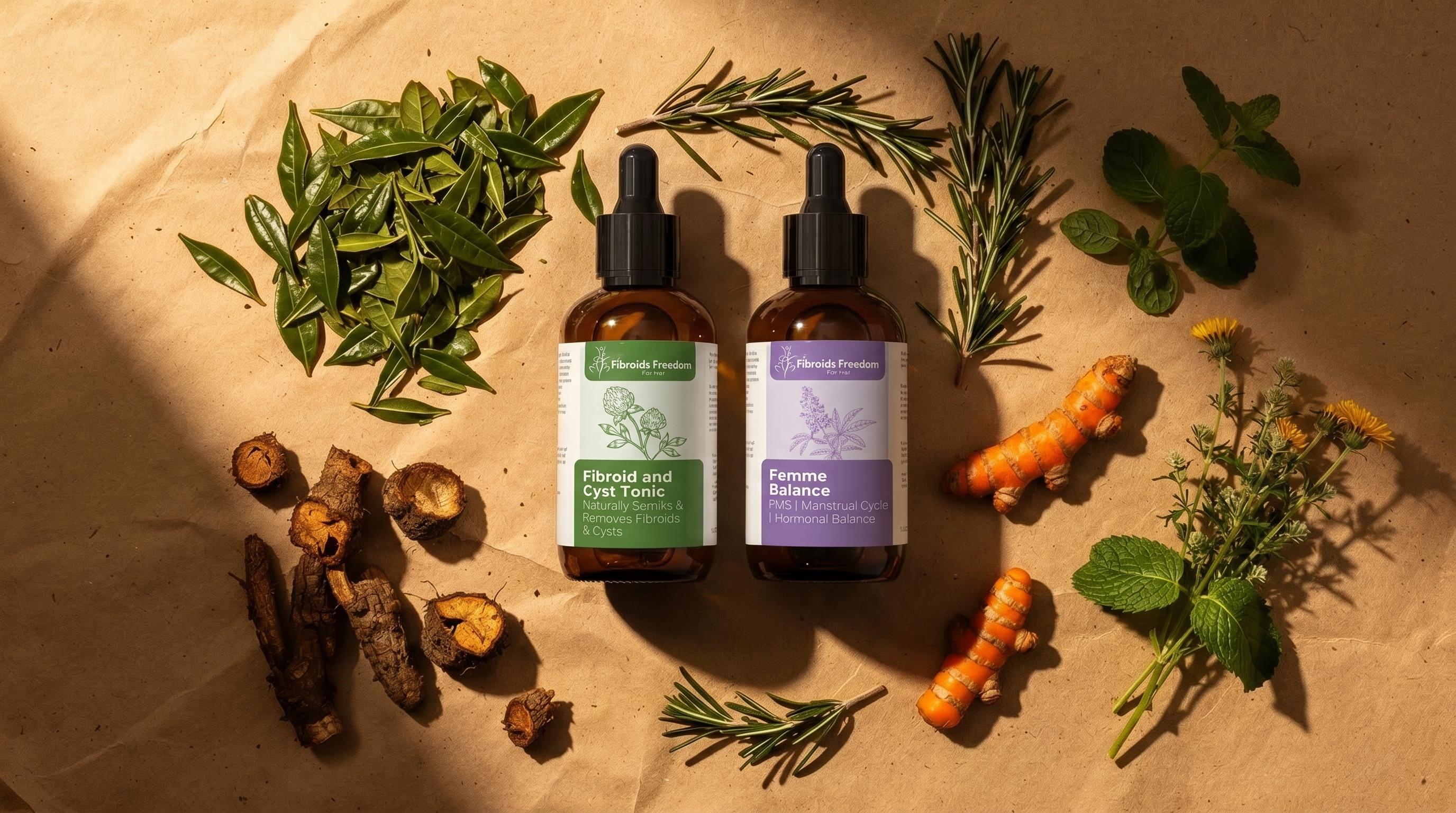
What Shrinks Fibroids Naturally?
This is the question underneath the weight gain question. Because if the fibroids are driving the hormonal environment, changing that environment is what creates lasting change. Some approaches may help shrink fibroids naturally, while others may still require medical care.
The most defensible natural approach targets three things simultaneously.
Aromatase inhibition. Fibroids overexpress aromatase — an enzyme that manufactures estrogen locally inside fibroid tissue. Even when overall hormone levels improve, fibroids keep producing their own estrogen supply. Green tea extract (EGCG) has been shown in research from Meharry Medical College and Johns Hopkins to inhibit aromatase activity and reduce fibroid cell proliferation. An active clinical trial at Yale and Johns Hopkins is currently investigating EGCG as a non-surgical fibroid treatment.
Liver support for estrogen clearance. Dandelion root supports the liver's ability to process and clear excess estrogen from circulation — directly addressing the hormonal environment fibroids depend on.
Disrupting angiogenesis. Fibroids build their own blood supply to guarantee survival. Specific botanicals — including Puncture Vine and turmeric — have been shown to interfere with this process, effectively cutting off the fibroid's nutrient pipeline. Strategic dietary patterns such as fasting for fibroids can also support hormonal balance and inflammation reduction when used appropriately.
Medications, hormone therapy, or surgery may also be used to treat fibroids, and the right treatment options depend on symptoms and fibroid size. This is the three-part mechanism behind the Fibroid & Cyst Tonic and our dedicated Fibroid and Cyst Tonic formula. And the Femme Balance Tonic, also available as the Femme Balance Tonic supplement, supports the body's return to genuine hormonal equilibrium — so the environment that allowed fibroids to grow doesn't simply rebuild itself.
"My stomach has started reducing in size. I don't feel pain or pressure," one customer shared. "Fibroids appear to be going down slowly. I can see this when belting up my jeans — gone down by two notches." Very large fibroids can also raise the risk of blood clots, which needs prompt medical attention.
Losing weight may help by reducing the estrogen production that comes from excess fat tissue. But for most women with established fibroids, that needs to run alongside targeted internal support — not instead of it.
If symptoms worsen or fibroids keep growing, early diagnosis matters, so speak with a healthcare provider about next steps. If you're ready to address what's actually driving the weight and the fibroids, the two-tonic system is here.
Frequently Asked Questions
How much weight do you gain with fibroids?
It varies entirely by size. Small fibroids typically cause negligible direct weight gain, though bloating and water retention can still affect how you look and feel. In practice, fibroids cause weight gain mainly through mass, abdominal distension, and fluid shifts rather than direct fat gain. Large fibroids or multiple fibroids together can physically weigh several pounds, and in very large cases the uterus may rise high enough to be noticeable around the belly button area. The abdominal distension from bloating and swelling often makes women appear to have gained significantly more weight than the fibroids actually account for.
Is it harder to lose weight with fibroids?
Yes, for real physiological reasons. Anemia from heavy bleeding causes fatigue that reduces physical activity. The estrogen-dominant hormonal environment promotes abdominal fat storage. And the estrogen-fat cell loop — where excess fat produces more estrogen that feeds fibroid growth — actively works against fat loss. Some women describe this more as sudden weight changes than steady fat gain. Weight management with fibroids requires addressing the hormonal environment, not just calories.
How do you get rid of fibroid belly?
Fibroid belly has two components — physical swelling from fibroids and hormonal bloating from estrogen disruption. Dietary changes that reduce estrogen load (less processed food, red meat, alcohol and refined carbohydrates; more fibre, cruciferous vegetables, and liver-supporting foods) address the hormonal component. Targeted botanical support that inhibits aromatase and supports liver clearance addresses the fibroid environment directly. Both need to work together.
What shrinks fibroids naturally?
The most evidence-backed natural approach works on three fronts: inhibiting aromatase (which fibroids use to manufacture their own estrogen), supporting liver clearance of excess circulating estrogen, and disrupting the angiogenesis process that maintains the fibroid's blood supply. Green tea extract (EGCG), dandelion root, turmeric, and Puncture Vine each address one or more of these mechanisms. These are the core ingredients in the Fibroid & Cyst Tonic, formulated specifically around this multi-pathway approach.
0 comments